0171-4081962
98962-77713
0171-4081962
98962-77713
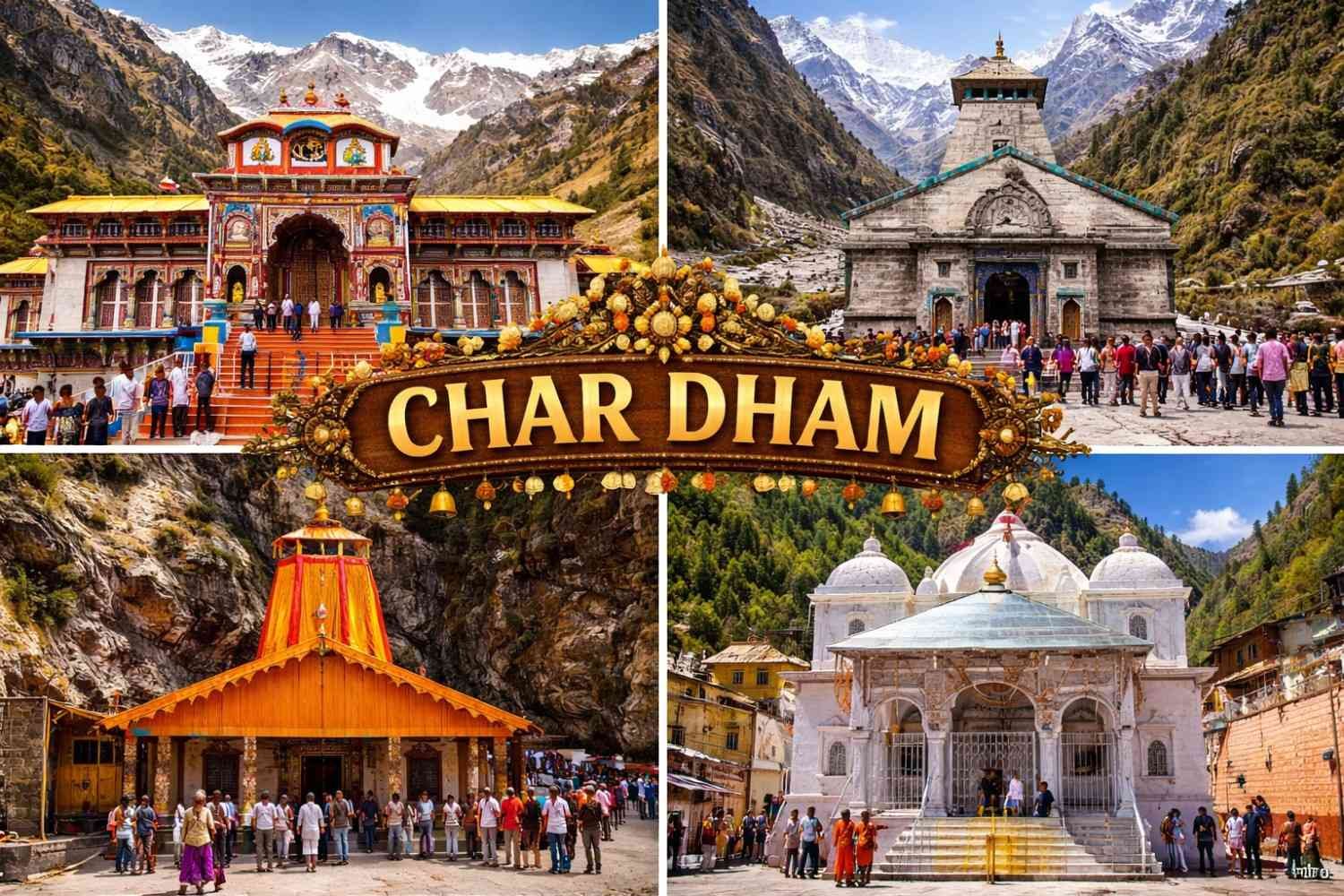
The Char Dham Yatra is one of the most sacred pilgrimages in India. Every year, millions of devotees travel to the four holy shrines located in the Himalayan state of Uttarakhand. The spiritual journey includes visits to Yamunotri, Gangotri, Kedarnath, and Badrinath, which are collectively known as the Char Dham of the Himalayas.
For many devotees, completing the Char Dham Yatra is a lifelong spiritual goal. The journey is not only about visiting temples but also about experiencing the divine beauty of the Himalayas, sacred rivers, peaceful valleys, and ancient spiritual traditions. If you are planning the Char Dham Yatra in 2026, this guide will help you understand the best time to travel, the route, safety precautions, and how to reach the starting points by train.
The Char Dham Yatra refers to a pilgrimage to four sacred temples located in the Garhwal region of Uttarakhand. These temples hold immense spiritual significance in Hinduism and are visited in a specific order. The journey traditionally begins from Yamunotri, followed by Gangotri, Kedarnath, and finally Badrinath.
Yamunotri Temple is dedicated to Goddess Yamuna and is considered the origin of the Yamuna River. The temple is surrounded by scenic mountains and hot water springs, making it a peaceful spiritual destination.
Gangotri Temple is dedicated to Goddess Ganga. According to Hindu belief, the sacred River Ganga descended to earth from heaven at this location. Pilgrims visit Gangotri to seek blessings and perform rituals in the holy river.
Kedarnath Temple is one of the twelve Jyotirlingas of Lord Shiva and is located at an altitude of more than 3,500 meters in the Himalayas. The temple is surrounded by snow-covered peaks and offers a deeply spiritual experience for devotees.
Badrinath Temple, dedicated to Lord Vishnu, is the final destination of the Char Dham Yatra. The temple lies between the Nar and Narayan mountain ranges and attracts millions of pilgrims every year.
Together, these four temples form a sacred circuit that symbolizes spiritual purification and devotion.
The Char Dham temples remain closed during winter due to heavy snowfall in the Himalayas. Every year, the temple doors open in April or May on auspicious dates according to the Hindu calendar.
For Char Dham Yatra 2026, the expected opening dates are:
1.) Yamunotri Temple – 19 April 2026
2.) Gangotri Temple – 19 April 2026
3.) Kedarnath Temple – 22 April 2026
4.) Badrinath Temple – 23 - 24 April 2026
The pilgrimage season usually continues until October or early November. During this period, millions of pilgrims travel to Uttarakhand to complete the sacred journey.
In recent years, the number of pilgrims has increased significantly. Reports show that over 50 lakh devotees visited Char Dham in 2024–2025, making it one of the largest religious pilgrimages in India.
Although the yatra begins in April, choosing the right time for travel can make your journey more comfortable and safe.
The best time for Char Dham Yatra is between May and June, when the weather is pleasant and most travel routes are accessible. This period is considered ideal for families and first-time travelers.
Another good time to visit is September to October, after the monsoon season ends. During these months, the skies are clear, the Himalayan views are breathtaking, and the crowd is comparatively smaller.
However, it is advisable to avoid traveling during July and August because the region experiences heavy monsoon rains. Landslides and road blockages are common during this time, which can disrupt travel plans.
The Char Dham Yatra involves traveling through high-altitude mountainous areas where oxygen levels are lower compared to plains. Some parts of the journey, especially the trek to Kedarnath, can be physically demanding.
Senior citizens, people with high blood pressure, heart problems, asthma, or breathing issues should consult a doctor before planning the trip. The altitude and long travel hours can sometimes cause discomfort for people with existing health conditions.
Pilgrims should travel slowly, take proper rest, drink enough water, and avoid overexertion. Many travelers now choose helicopter services for Kedarnath if they are unable to complete the long trek.
Proper preparation and health awareness can help make the journey safe and enjoyable.
Since the Char Dham temples are located in the Himalayas, the weather can change quickly. Proper packing is essential for a comfortable journey.
Travelers should carry warm clothes, jackets, and woolen caps because temperatures can drop suddenly, especially in the morning and evening. Comfortable trekking shoes are also important for walking on mountain paths.
A raincoat or poncho is useful as light rain is common in mountain areas. Pilgrims should also carry sunscreen, sunglasses, personal medicines, and identity documents.
Other useful travel items include a power bank, torch, reusable water bottle, and a small backpack for day travel. Being prepared for changing weather conditions can make the entire yatra more comfortable.
Most pilgrims start the Char Dham Yatra from Haridwar or Rishikesh, which are the main gateways to the Garhwal Himalayas in Uttarakhand. The traditional sequence of the yatra is Yamunotri → Gangotri → Kedarnath → Badrinath, and most tour packages follow this route. Below is a clear step-by-step day-wise itinerary so travelers can easily understand where the journey starts and how it progresses until the final return.
Day 1 – Haridwar / Rishikesh to Barkot
The Char Dham Yatra officially begins from Haridwar or Rishikesh, two sacred cities located on the banks of the River Ganga. On the first day, pilgrims travel by road to Barkot, which is around 180–200 km away. The journey passes through beautiful hill roads, small mountain towns, and scenic valleys. Barkot is located near Yamunotri and serves as the base location for visiting the first dham of the journey. Travelers usually stay overnight in Barkot and prepare for the Yamunotri visit the next day.
Day 2 – Barkot to Yamunotri and Return to Barkot
On the second day, pilgrims travel from Barkot to Janki Chatti, which is about 45 km away by road. From Janki Chatti, the trek to Yamunotri Temple begins. The temple is approximately 5–6 km from Janki Chatti, and pilgrims can either walk, hire a pony, or take a palki service. After reaching Yamunotri, devotees offer prayers at the temple and visit the nearby Surya Kund hot water spring. After completing darshan, travelers return to Janki Chatti and drive back to Barkot for an overnight stay.
Day 3 – Barkot to Uttarkashi
On the third day, the journey continues from Barkot to Uttarkashi, which is around 80–100 km away. Uttarkashi is a famous spiritual town situated on the banks of the Bhagirathi River. During the drive, travelers enjoy beautiful mountain scenery and peaceful Himalayan landscapes. After reaching Uttarkashi, pilgrims often visit the Kashi Vishwanath Temple, which is one of the important temples in the region. Overnight stay is usually arranged in Uttarkashi.
Day 4 – Uttarkashi to Gangotri and Return to Uttarkashi
On the fourth day, pilgrims travel to Gangotri Temple, the second destination of the Char Dham Yatra. The distance from Uttarkashi to Gangotri is around 100 km, and the drive takes about 3–4 hours through scenic mountain routes and beautiful valleys like Harsil Valley. At Gangotri Temple, devotees worship Goddess Ganga and take blessings near the sacred Bhagirathi River. After completing darshan, pilgrims return to Uttarkashi for an overnight stay.
Day 5 – Uttarkashi to Guptkashi
On the fifth day, the journey continues toward Guptkashi, which is around 200–220 km from Uttarkashi. This is one of the longest travel days of the yatra, but the route offers stunning views of rivers, mountains, and lush greenery. Guptkashi is an important town located near Kedarnath and serves as a base for pilgrims traveling to the Kedarnath Temple. Travelers stay overnight in Guptkashi before starting the Kedarnath journey.
Day 6 – Guptkashi to Kedarnath (via Gaurikund)
On the sixth day, pilgrims travel from Guptkashi to Gaurikund, which is the starting point for the Kedarnath trek. From Gaurikund, devotees begin the famous 16–18 km trek to Kedarnath Temple. The trek route offers breathtaking Himalayan views and spiritual energy as thousands of pilgrims walk toward the sacred shrine. Those who cannot trek can also choose helicopter services, pony rides, or palki services. Pilgrims usually stay overnight near Kedarnath Temple.
Day 7 – Kedarnath Darshan and Return to Guptkashi
Early in the morning on the seventh day, pilgrims attend the Kedarnath Temple darshan and aarti. Kedarnath is one of the 12 Jyotirlingas of Lord Shiva, making it one of the most sacred temples in India. After completing darshan, travelers begin the return trek from Kedarnath to Gaurikund and then drive back to Guptkashi for an overnight stay.
Day 8 – Guptkashi to Badrinath
On the eighth day, pilgrims travel from Guptkashi to Badrinath Temple, which is approximately 190 km away. The drive passes through beautiful mountain roads and the scenic Alaknanda River valley. After reaching Badrinath, pilgrims take a holy dip in Tapt Kund, a natural hot water spring near the temple, before offering prayers at Badrinath Temple, dedicated to Lord Vishnu. Travelers usually stay overnight in Badrinath.
Day 9 – Badrinath Sightseeing
The ninth day is reserved for exploring nearby spiritual and scenic attractions around Badrinath. Pilgrims often visit Mana Village, which is known as the last village of India near the Indo-Tibet border. Other popular places include Bhim Pul, Vyas Gufa, and Vasudhara Falls, which offer stunning Himalayan views and mythological significance.
Day 10 – Badrinath to Haridwar / Rishikesh (Return Journey)
On the final day, pilgrims begin their return journey from Badrinath to Haridwar or Rishikesh, covering around 300 km by road. The journey marks the completion of the sacred Char Dham Yatra. Travelers return with spiritual satisfaction, unforgettable memories, and breathtaking experiences of the Himalayan pilgrimage.
Apart from its spiritual importance, the Char Dham Yatra is also known for its breathtaking natural beauty.
During the journey, travelers pass through majestic Himalayan landscapes, dense forests, flowing rivers, and peaceful mountain villages. The sight of snow-covered peaks, especially near Kedarnath and Badrinath, leaves a lasting impression on visitors.
Pilgrims also get to witness sacred rivers like the Bhagirathi and Alaknanda, which later merge to form the holy River Ganga.
Sunrise views in the mountains, the sound of temple bells, and the cool Himalayan air create a deeply spiritual atmosphere throughout the journey.
Many pilgrims from across India prefer traveling by train as it is convenient and affordable. Train travel allows devotees to reach Uttarakhand comfortably before beginning the mountain journey.
The most common railway stations used by Char Dham travelers are Haridwar, Rishikesh, and Dehradun. These stations are well connected with major cities such as Delhi, Mumbai, Kolkata, and Ahmedabad.
After reaching these stations, pilgrims usually continue the journey by taxi, bus, or tour vehicles that travel to the Char Dham temples.
Train journeys are also a great way to enjoy the changing landscapes of North India before reaching the foothills of the Himalayas.
Many pilgrims travel long distances by train before starting their Char Dham journey. Carrying food from home is not always convenient, especially for long trips.
Today, travelers can easily order fresh food in train and get it delivered directly to their seat at railway stations. This service allows passengers to enjoy hygienic meals, snacks, and thalis without worrying about food arrangements during the journey.
If you are planning the Char Dham Yatra by train, ordering food online can make your travel more comfortable and stress-free.

For a new experience download
RAJBHOG KHANA app now